Aero Design System
Principles behind the design system
As the Birdeye platform expanded across multiple products and teams, maintaining consistency, accessibility, and scalability became increasingly challenging. Different teams were building features independently, which created variations in components, interaction patterns, and visual language across the product.
To address this, the design system was guided by three core principles: accessibility first, scalable components, and consistent patterns. These values ensured that every component not only looked unified but also behaved predictably across products, helping teams build faster while delivering inclusive and reliable user experiences.
Company
Birdeye
Year
2022
Role
Product Designer
100+
Components
17
Charts
5
Plugins
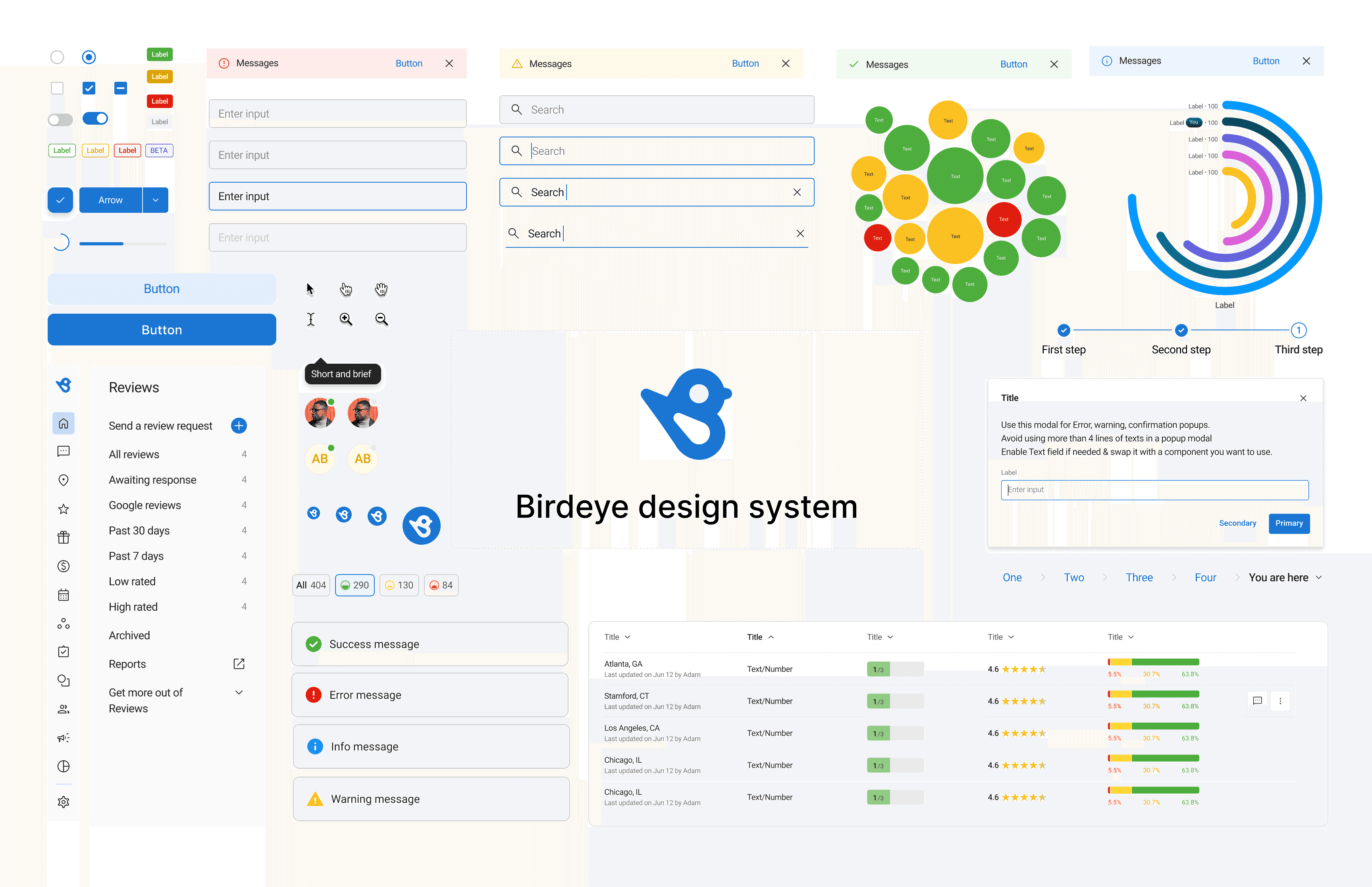
Structured explorations
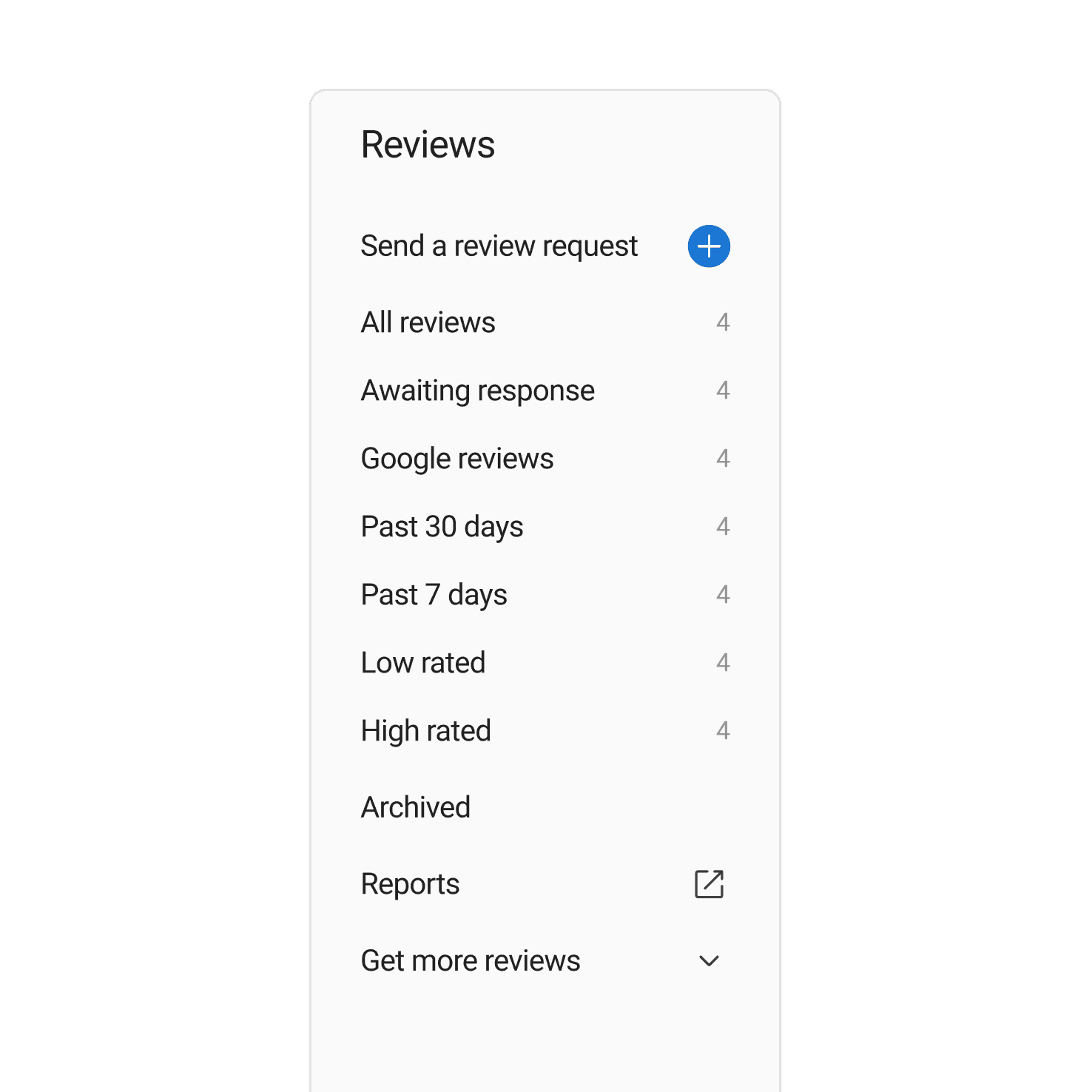
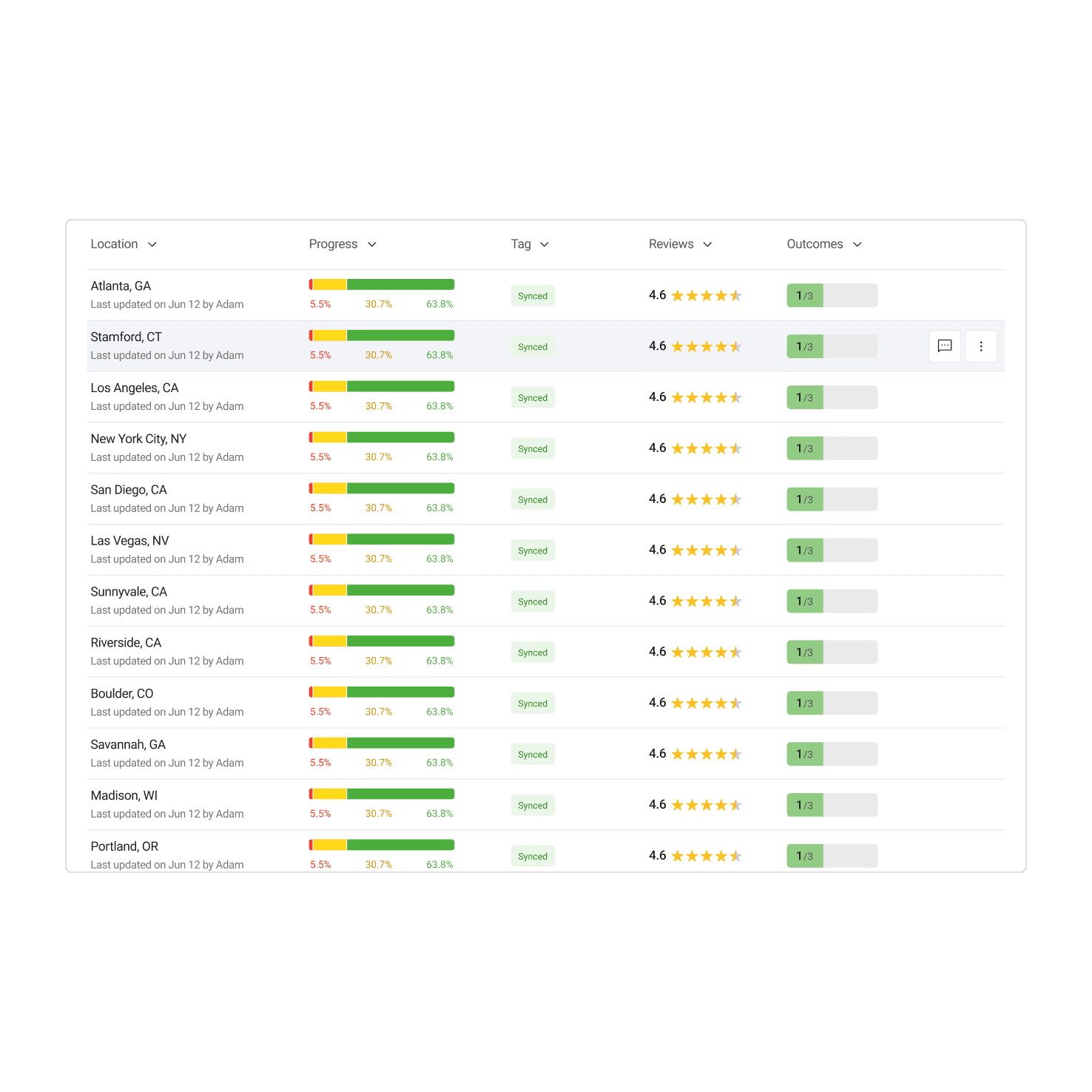
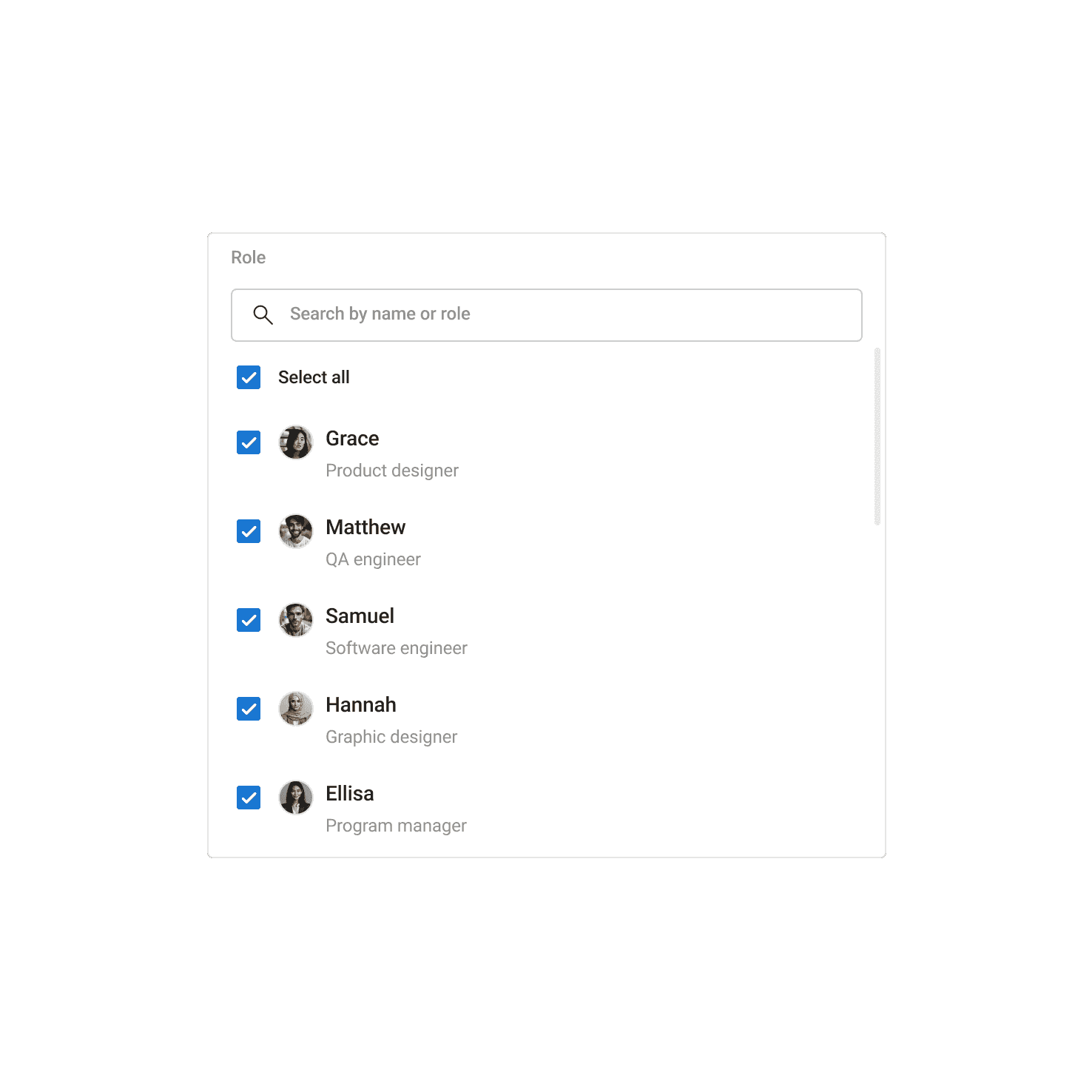
The system covered tables, navbar, dropdowns, and chart variants including sunburst, radial, and bubble, with annotation patterns for states, hover, and labels.

Scalable components & charts
Reusable visualizations for dashboards
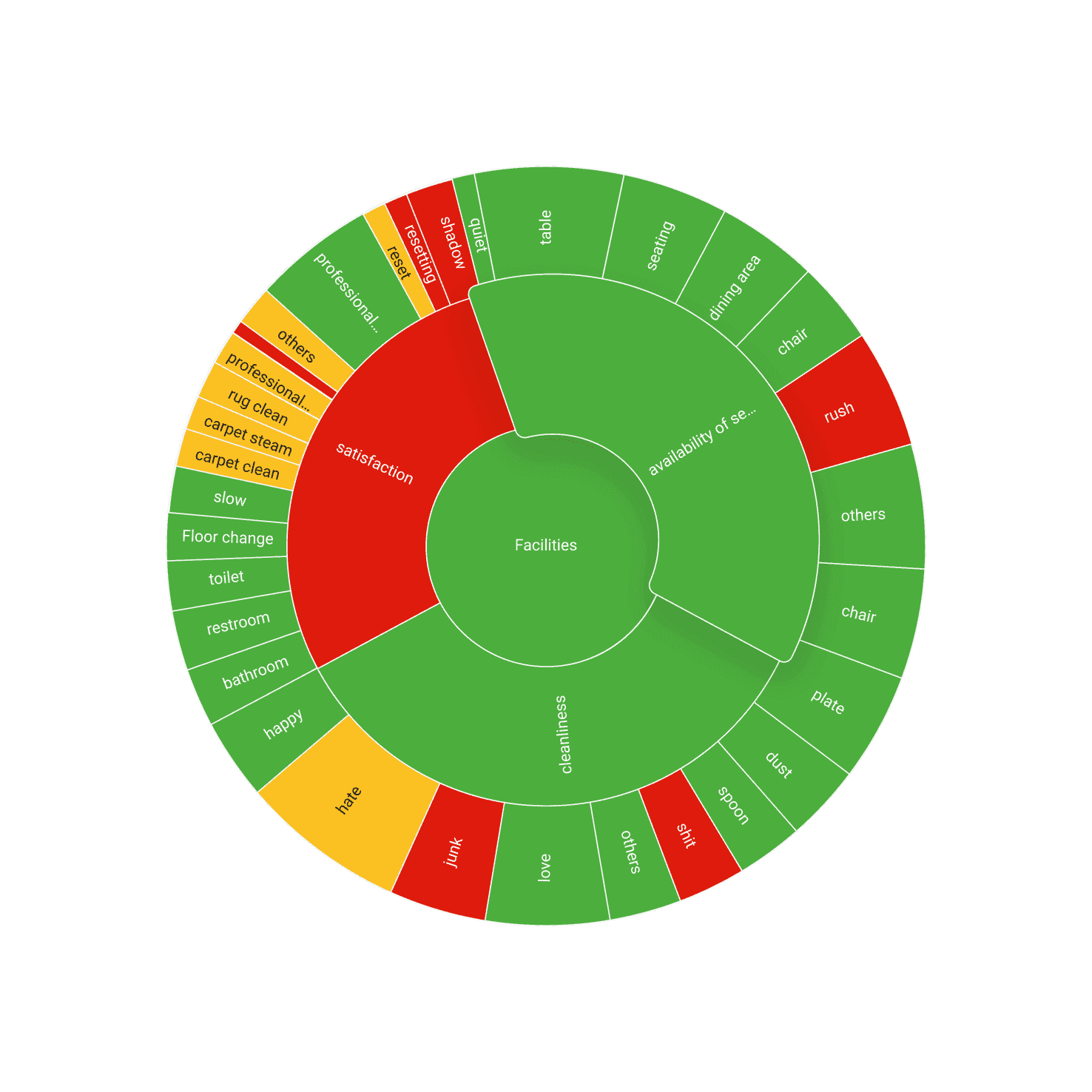
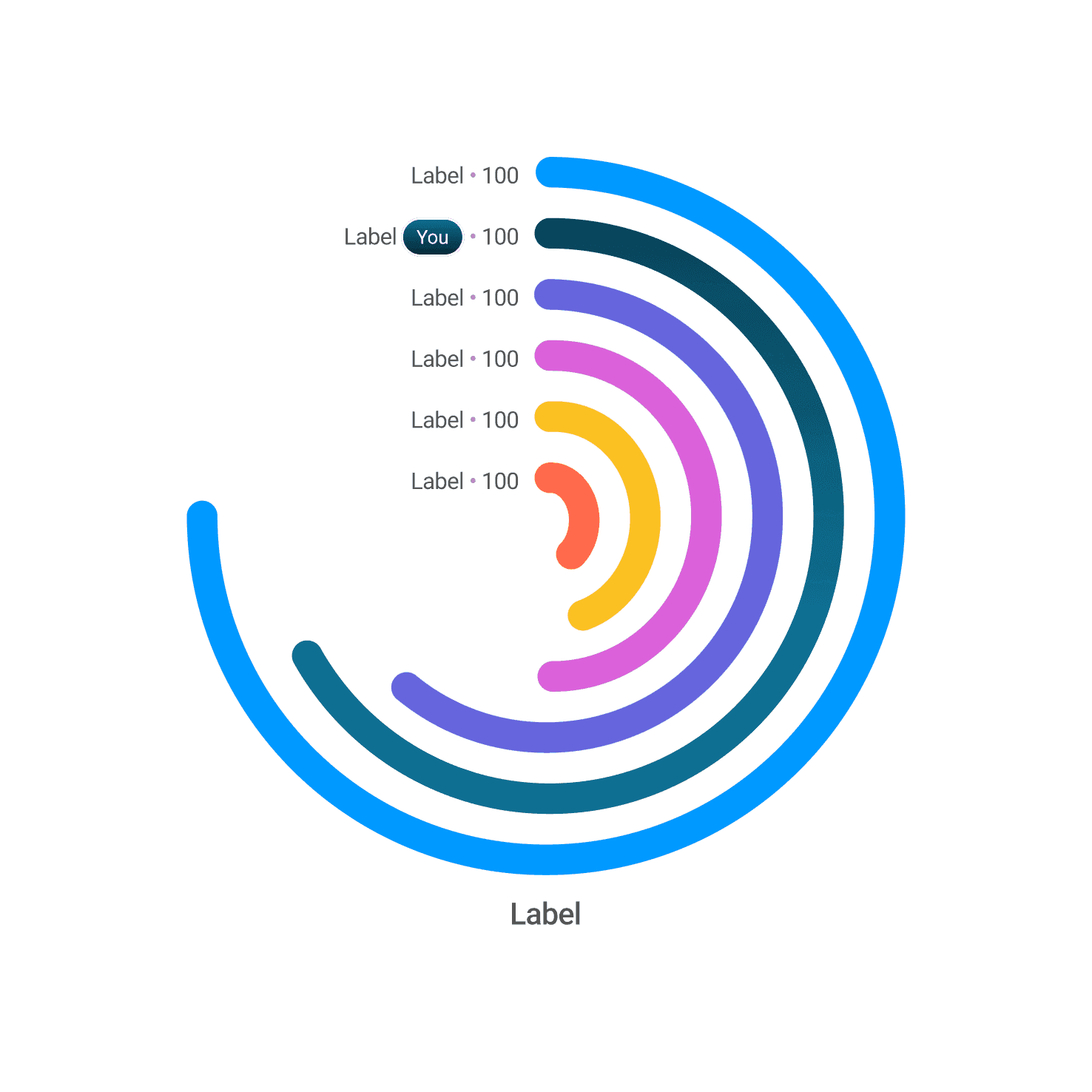
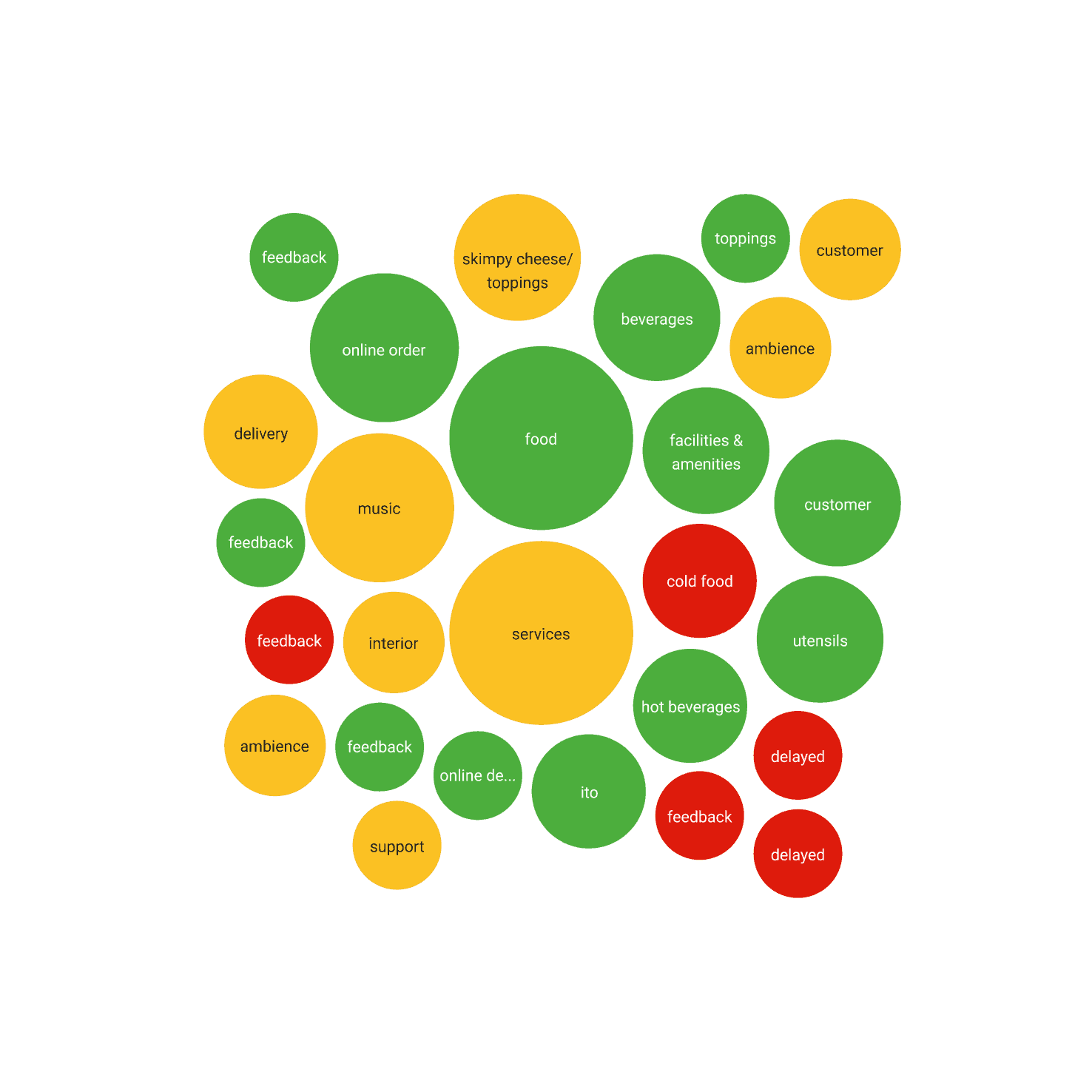
Designed a set of highly configurable chart components that could be reused across dashboards and reporting tools. These visualizations supported multiple configurations such as dynamic data mapping, color states, labeling systems, and interaction behaviors.
Some of the charts included sunburst charts, radial charts, and bubble charts, enabling teams to represent complex datasets while maintaining visual consistency across the product.

Tools that accelerate the design workflow
Figma plugins
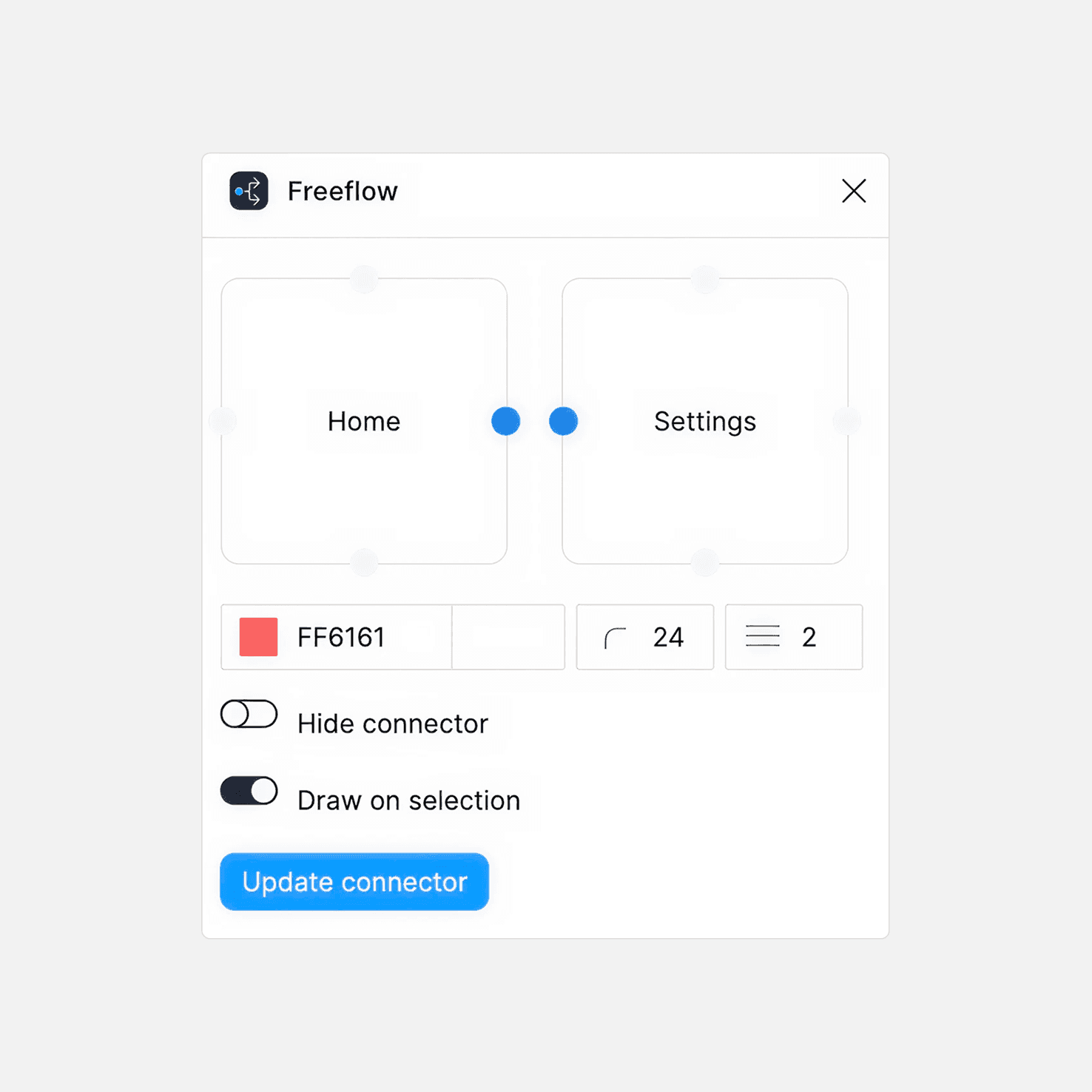
As the design system grew, designers were repeatedly performing manual tasks such as creating skeleton loading, connecting flows on dev handoff, and generating product copy. These repetitive steps slowed down the design process.
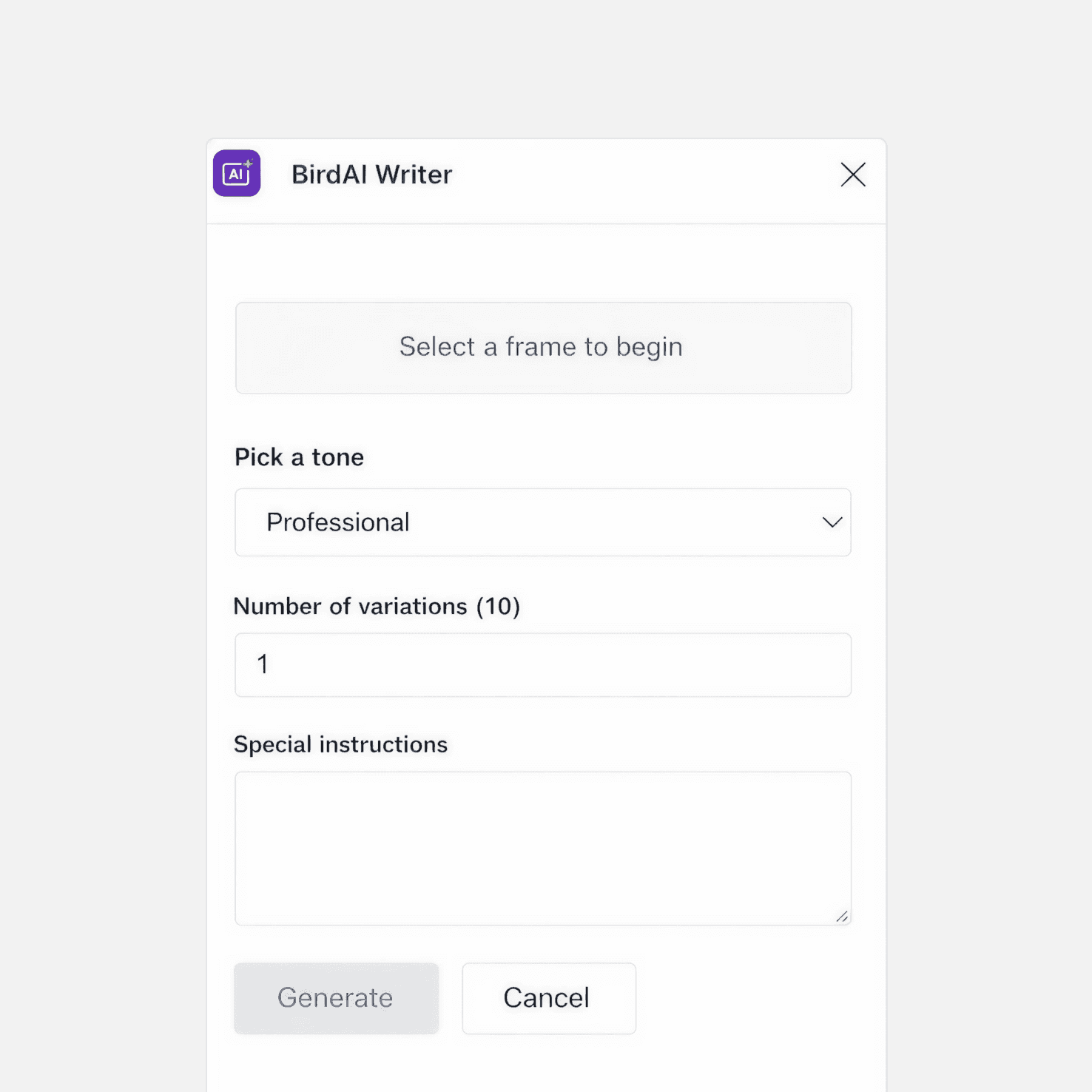
To streamline the workflow, we developed a set of in-house Figma plugins that automated common design tasks. Together, these tools helped designers work faster, maintain consistency, and focus more on solving product problems rather than repetitive setup work.
BirdAI Writer — in-house plugin for generating UI copy.
Learnings & impact
Improving speed and product quality
Building the design system required aligning multiple product teams around a shared foundation of reusable components, patterns, and documentation. By introducing structured components, designers could build interfaces faster while maintaining consistency across the platform.
This reduced duplicated design work, improved collaboration with engineers, and helped teams move from designing individual screens to building scalable product experiences.
Metrics after launch
Roughly 2× reduction in go-to-market time for new features (design-to-development and release cycles).
Design system usage increased roughly 4× after launch as more designers and engineers relied on shared components.
About 10k component inserts per week, with peaks around 141k inserts in recent AI-related projects.